
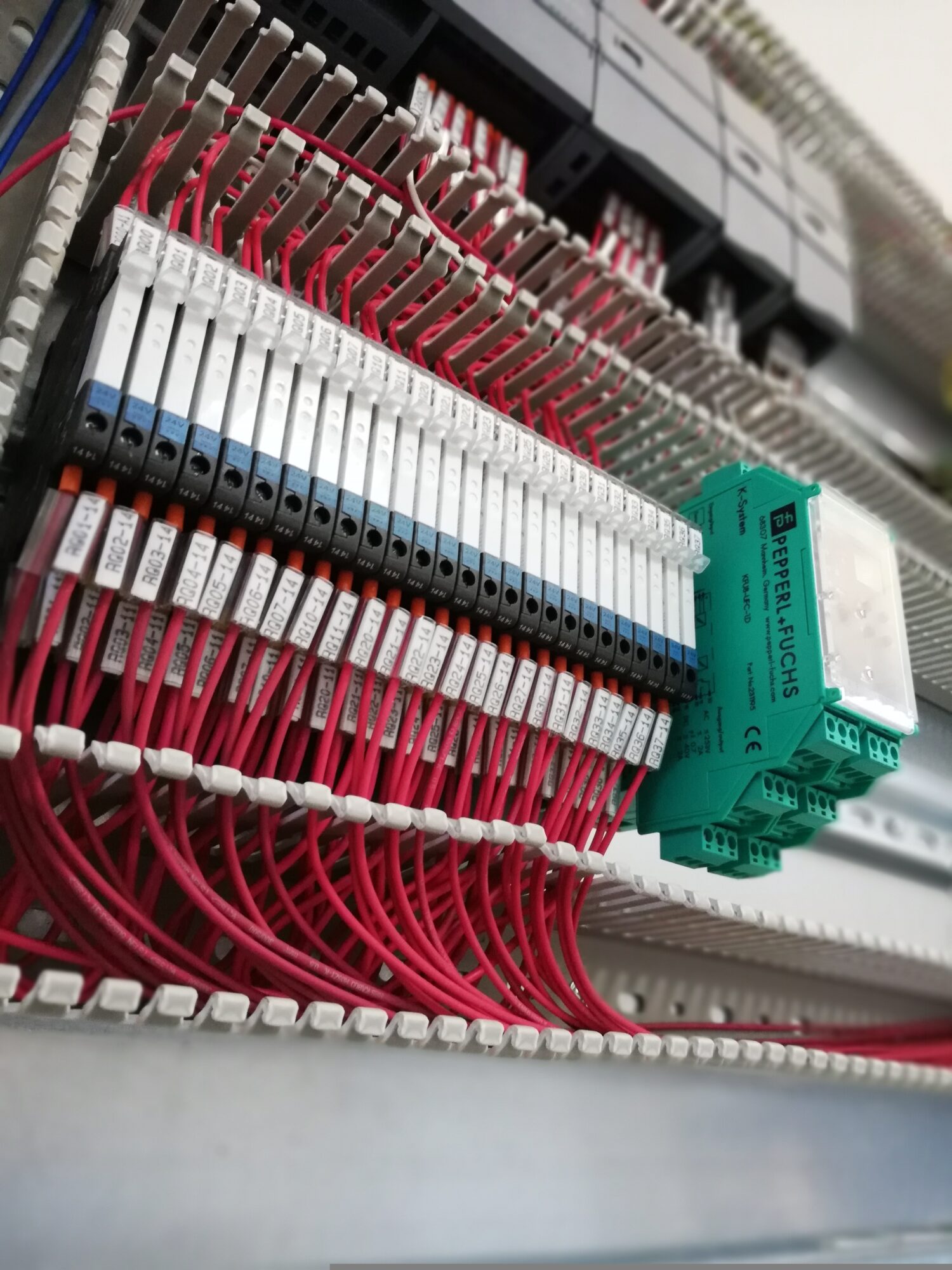

When controlling circuits, relays are the unsung heroes of electronic design. From automotive systems to industrial automation, these compact devices provide isolation, switching, and protection, ensuring that low power control signals can safely operate high power loads. But not all relays are the same. In this post, we’ll explore the key types of relays, how they work, and which one is right for your next project.
21st October 2025
Relays: What’s the Difference?
What is a relay?
A relay can be an electromechanical or solid-state switch that uses a small electrical signal to control a larger current. Traditionally, a magnetic coil activated a mechanical contact which turned a circuit on or off. Modern designs, however, have evolved into a variety of specialised technologies to meet different performance and reliability needs.
The Two Main Families: Electromechanical vs. Solid-State
1. Electromechanical Relays (EMR)
How they work:
Electromechanical relays use a physical coil and armature to open or close contacts. When current flows through the coil, it creates a magnetic field. This field attracts a movable armature, which physically opens or closes a set of electrical contacts.
Best for: Applications where a complete electrical isolation is required and where switching speed and frequency are low, like industrial control panels, HVAC systems, and power distribution.
| Advantages | Disadvantages |
| Excellent isolation between control and load circuits | Slower switching speed |
| Cost-effective and easy to use | Mechanical wear and tear |
| Suitable for AC or DC switching | Produces arc/noise |
2. Solid State Relays (SSR)
How they work:
Solid State Relays use semiconductor components (like transistors, MOSFETs, or TRIACs) to perform the switching function, with no moving parts. An input signal, usually isolated by an optocoupler, controls the semiconductor device, allowing or blocking the flow of current.
A specialised type of SSR’s, Safety Relays, are designed for machine safety and emergency stop circuits, where reliability and rapid fault detection are critical. They use semiconductor technology to provide wear-free, high-speed switching while meeting safety standards.
Best for: Applications requiring fast, frequent, and silent switching, or where mechanical wear must be avoided, such as automation systems, test equipment, high-speed industrial machinery, and environments with vibration or shock.
| Advantages | Disadvantages |
| Fast switching speed | Higher "on" resistance |
| No mechanical wear | Power dissipation |
| Silent operation | Current leakage |
| No contact bounce/arcing | More expensive |
Choosing the correct relay
When selecting a relay, several critical specifications dictate which component is right for your design:
- Load Type: AC, DC, resistive, or inductive
- Switching Current and Voltage: Ensure contacts can handle the load safely
- Switching Speed: SSRs are faster; EMRs suit slower, high-current applications
- Environmental Factors: Vibration, temperature, and contamination can affect performance
- Lifetime Requirements: SSRs excel in high-duty cycles; EMRs offer robust simplicity
Relays may perform a simple function; switching, but the variety of technologies available makes choosing the right one essential to system performance and reliability. Understanding the differences between the two most common relays ensures you get the best balance of durability, speed, and cost for your design.
Need Help? Contact Live Electronics!
The technology of modern switching demands speed, durability, and reliability. That’s why at Live Electronics, we’ve specialised in the future of switching: Solid-State Relays (SSRs). We offer a comprehensive range of cutting-edge SSRs from industry-leading manufacturers, ensuring you get the fastest, longest-lasting solution for your needs.
Contact our expert team today, and we’ll help you pinpoint the perfect SSR with the right heat dissipation, load rating, and ultrafast switching characteristics to ensure your high-frequency circuit functions reliably and efficiently.
Latest from the blog
Industrial Connectors: What Engineers Should Consider Beyond Pin Count
Posted on 17th June 2026 by Marcia Pearson
Selecting the Right Joystick for Precision Control Applications
Posted on 3rd June 2026 by Marcia Pearson
The Role of Sensors in Closed-Loop Automation Systems
Posted on 19th May 2026 by Marcia Pearson
Designing Operator Interfaces for Industrial Control Panels
Posted on 27th March 2026 by Marcia Pearson